
The First Britons
Footprints at Happisburgh and tools at Boxgrove record early humans between the ice ages.
Scroll through the centuries, meet the rulers, and explore the moments that shaped Britain.
Explore Britain’s kings, queens, royal houses, republican governments, and lines of succession.
A Journey Through the Ages
Britain has been shaped by migration, conquest, union and reinvention. Prehistoric communities left monuments across the landscape before Roman rule connected much of the island to a vast empire.
After Rome withdrew, rival kingdoms emerged. Anglo-Saxon rulers, Viking settlers and Norman conquerors transformed government, language and society, while medieval struggles gradually placed new limits on royal power.
The Reformation, civil wars and Glorious Revolution recast the relationship between crown and Parliament. Union with Scotland in 1707 created Great Britain, which became an industrial and imperial power.
Two world wars, democratic reform, the welfare state and decolonisation reshaped modern life. Immigration, devolution and withdrawal from the European Union continue to redefine the country and its place in the world.
c. 800,000 BCE - AD 43
Ice ages, migration, farming and monument building shaped Britain long before written history.
Britain’s earliest story stretches across repeated ice ages and changing coastlines. Hunter-gatherers were followed by farming communities that built long barrows, stone circles and settlements. Bronze and iron technologies transformed society, trade and warfare, while regional tribes developed before Rome entered the historical record.
Footprints at Happisburgh and tools at Boxgrove record early humans between the ice ages.
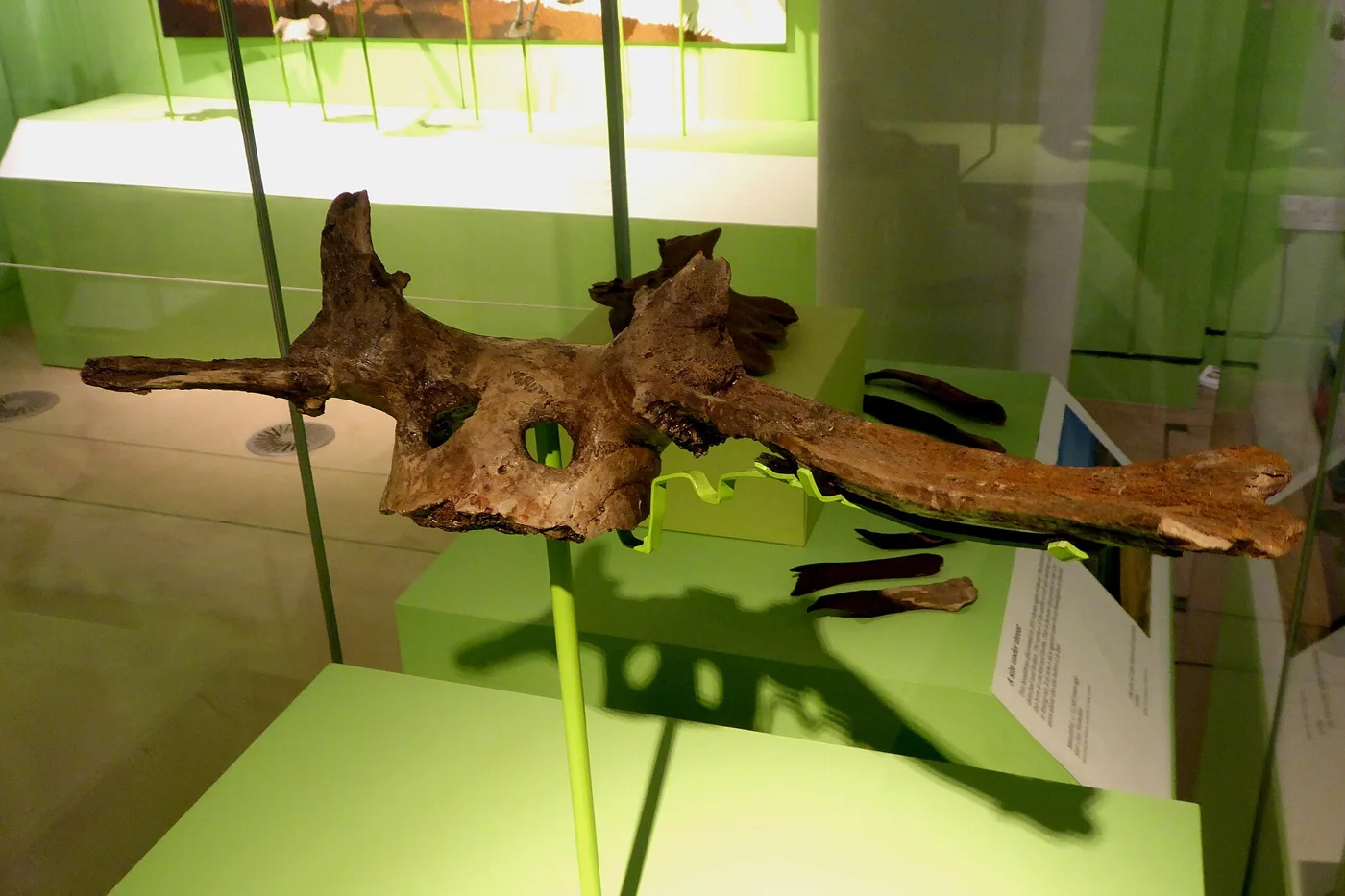
Hunter-gatherers returned as the ice retreated, and rising seas made Britain an island around 6000 BCE.
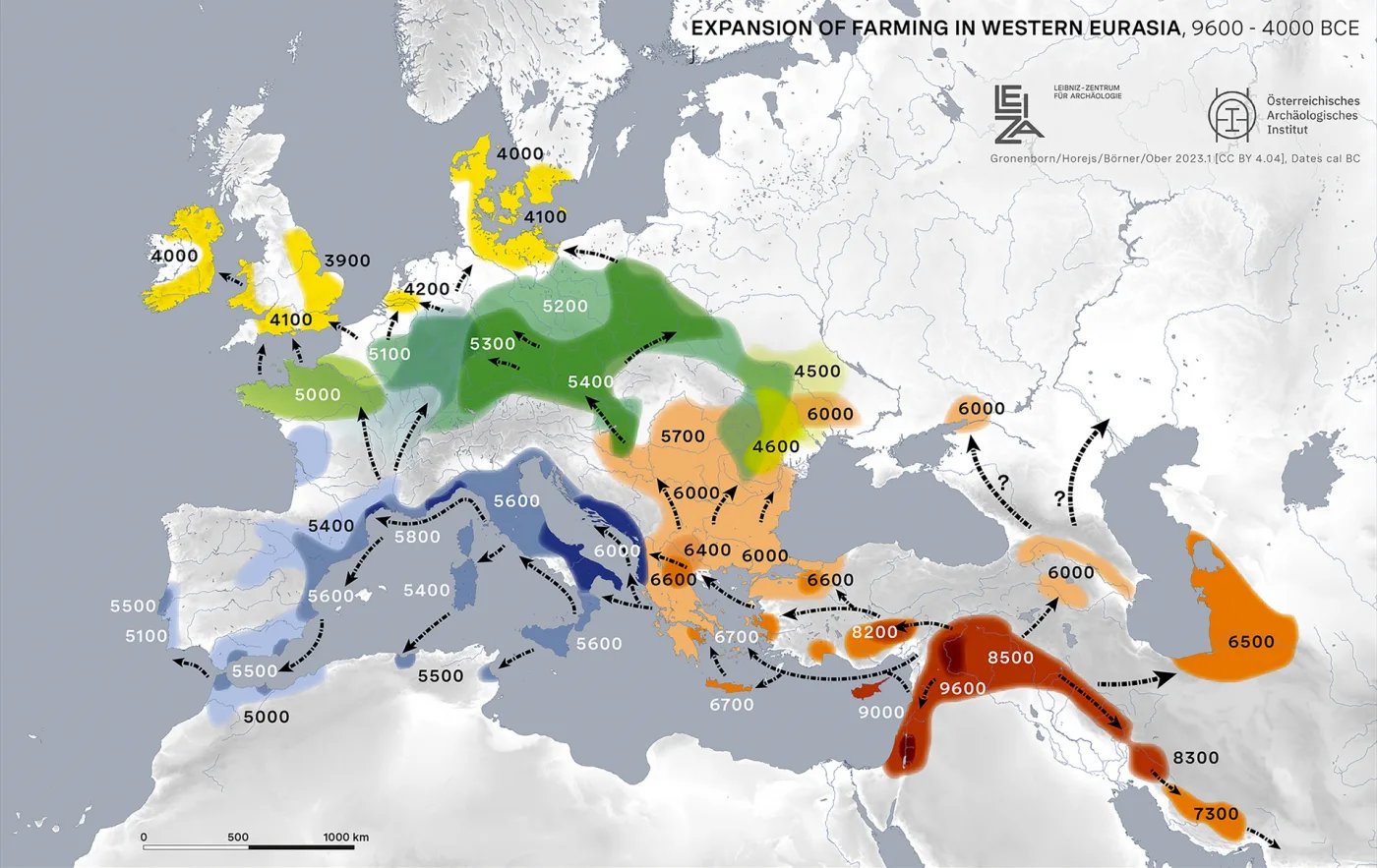
Farming arrived around 4000 BCE, followed by long barrows, henges and stone circles.
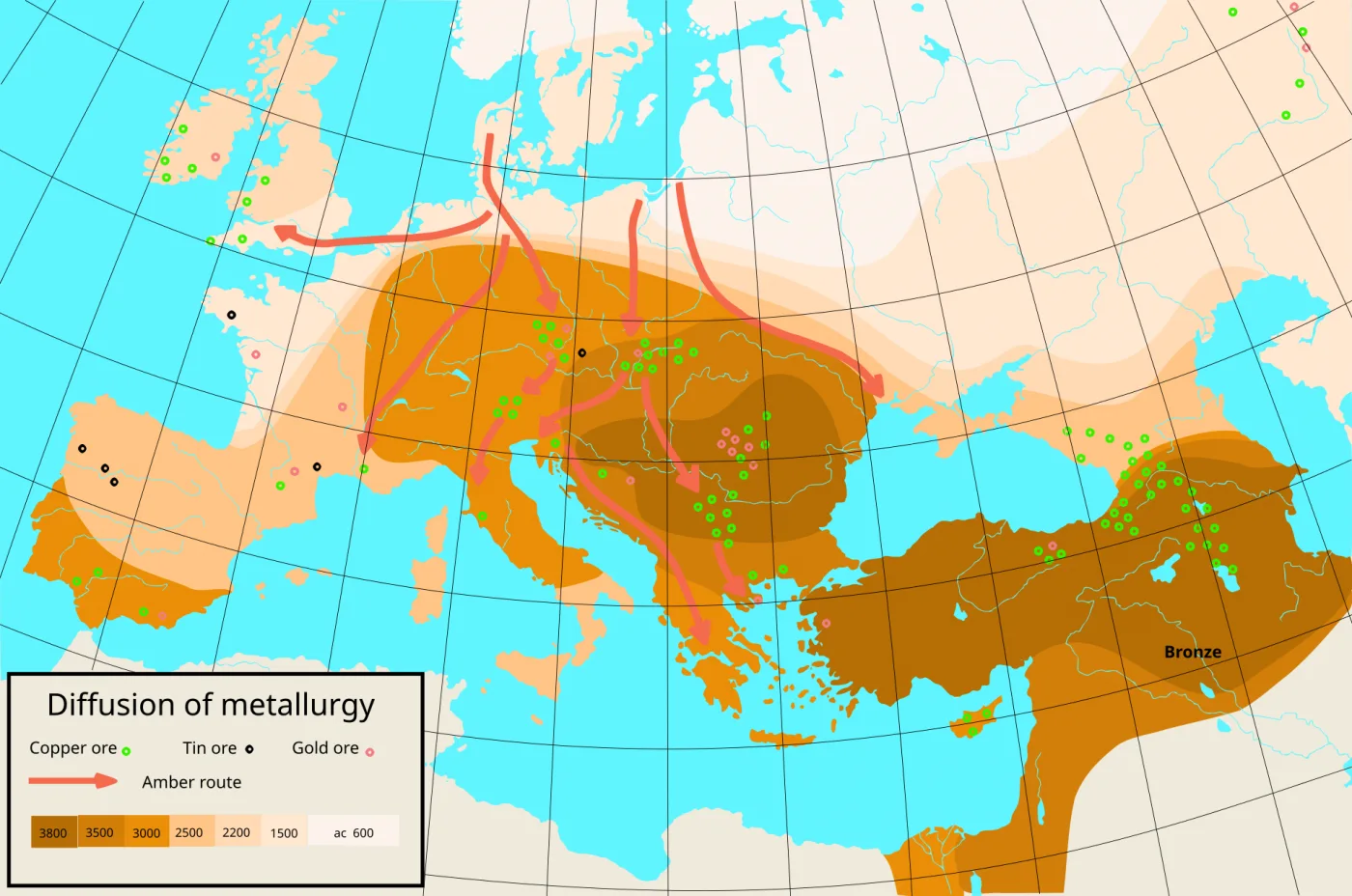
Hillforts, tribal kingdoms and trade with the continent shaped Britain before Rome.
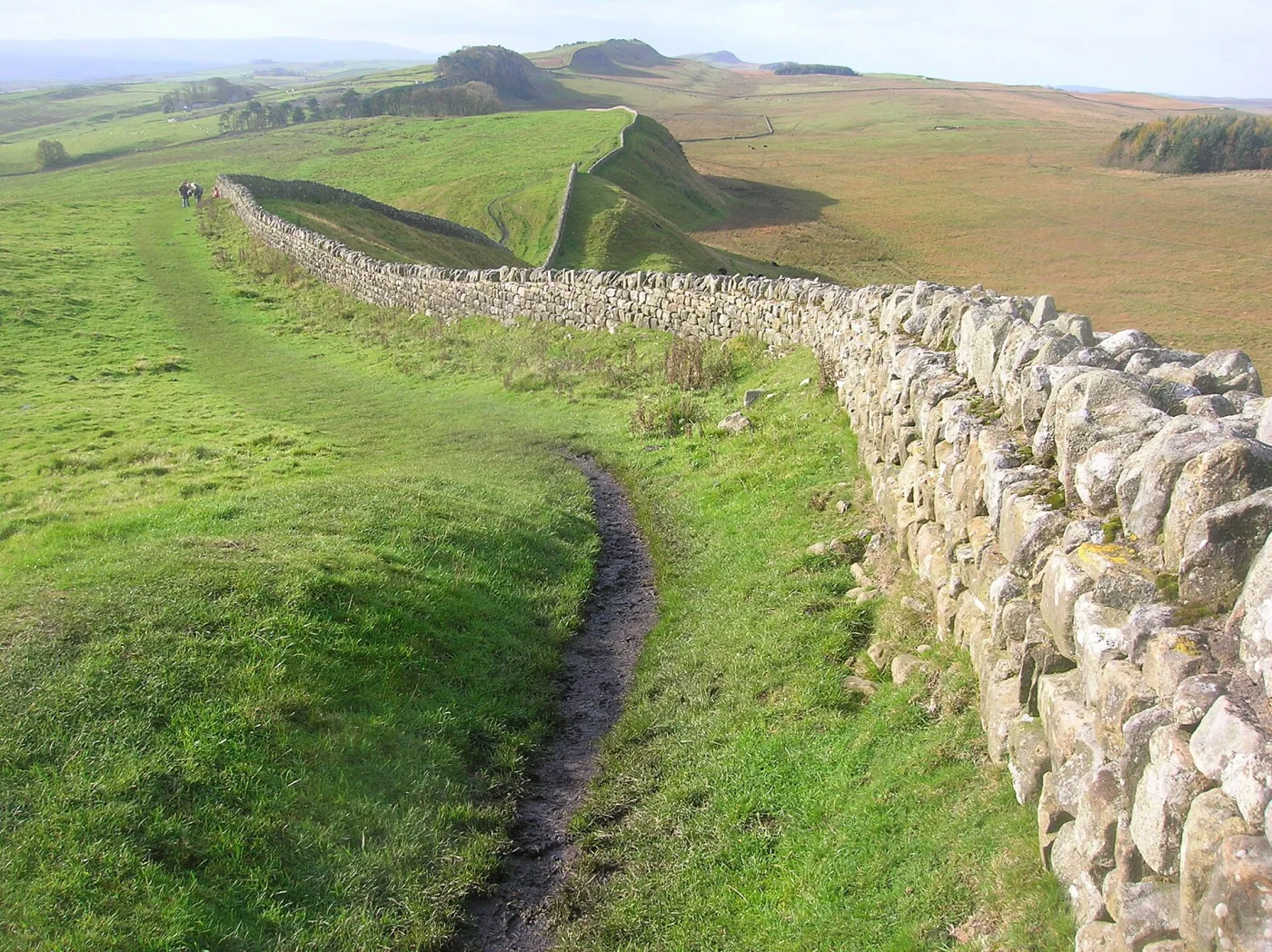
AD 43 - c. 410
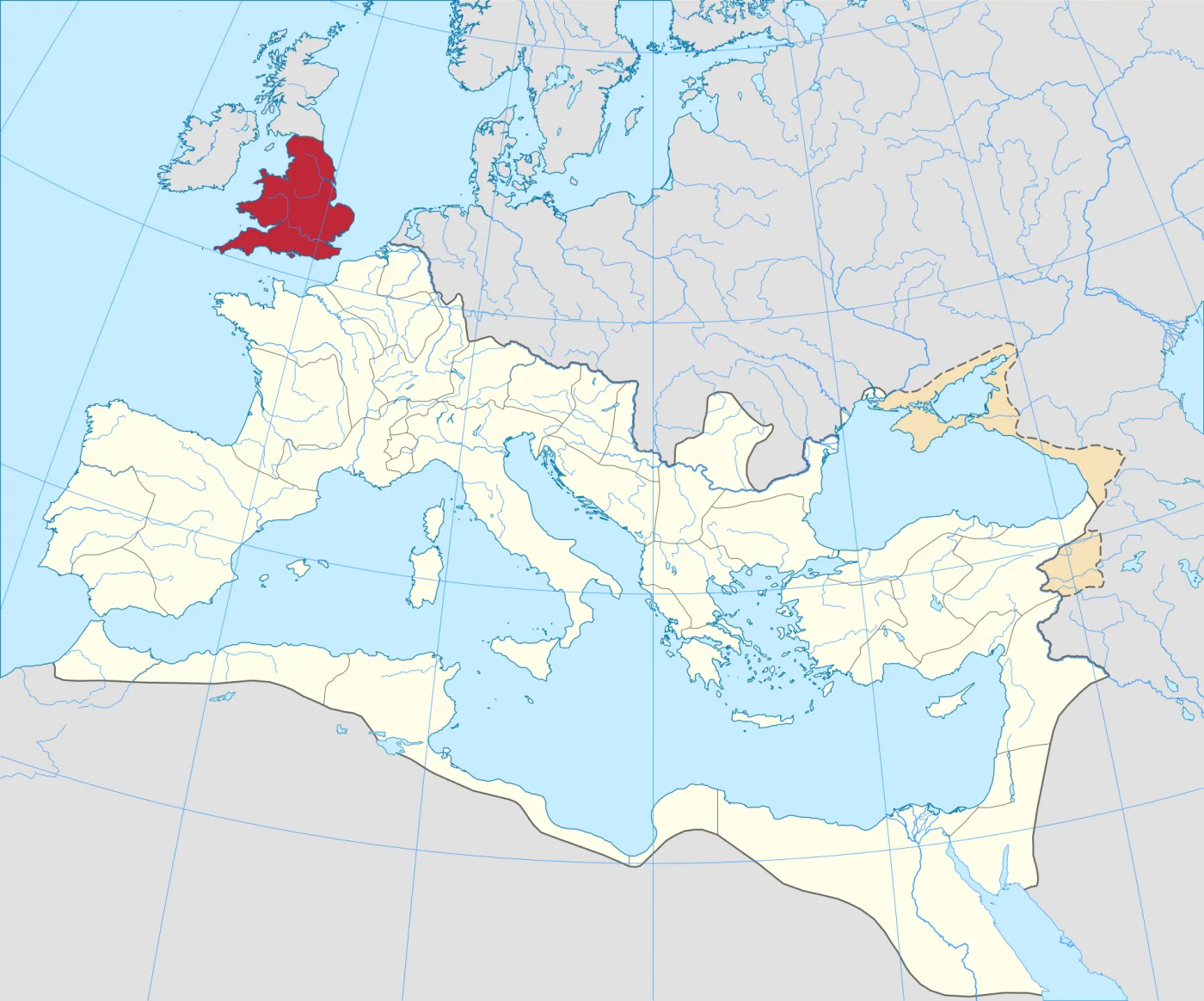
Rome brought cities, roads, frontiers and imperial government while never conquering all of Britain.
Roman armies conquered much of Britain and incorporated it into an empire stretching across Europe and the Mediterranean. Towns, villas, roads and forts reshaped the landscape, while local cultures adapted unevenly to Roman life. North of Hadrian’s Wall imperial control remained limited, and in the early fifth century Roman government withdrew.
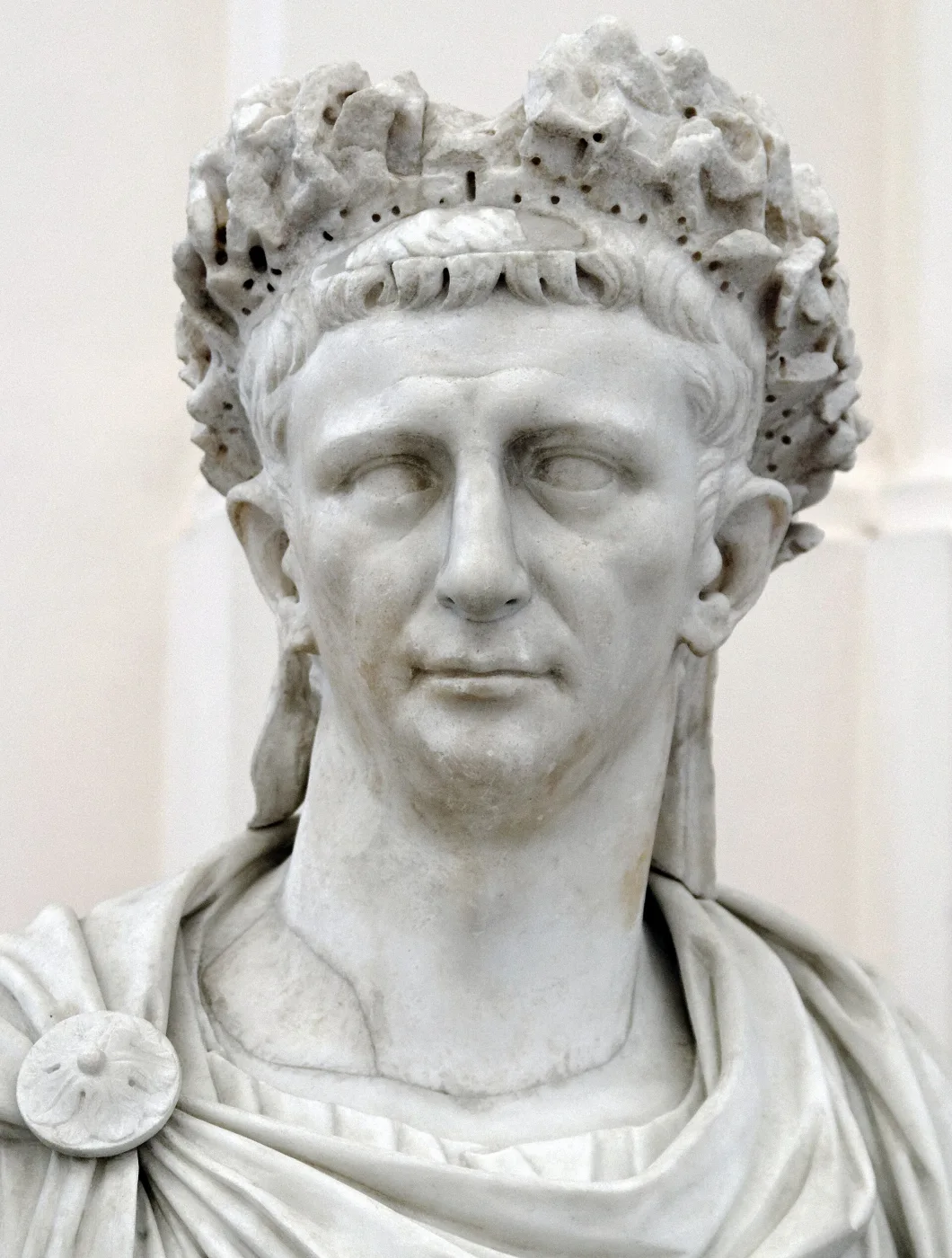
Claudius’s legions landed in AD 43 and pushed steadily into Wales and the north.
Boudica’s Iceni burned Colchester, London and St Albans before their defeat.
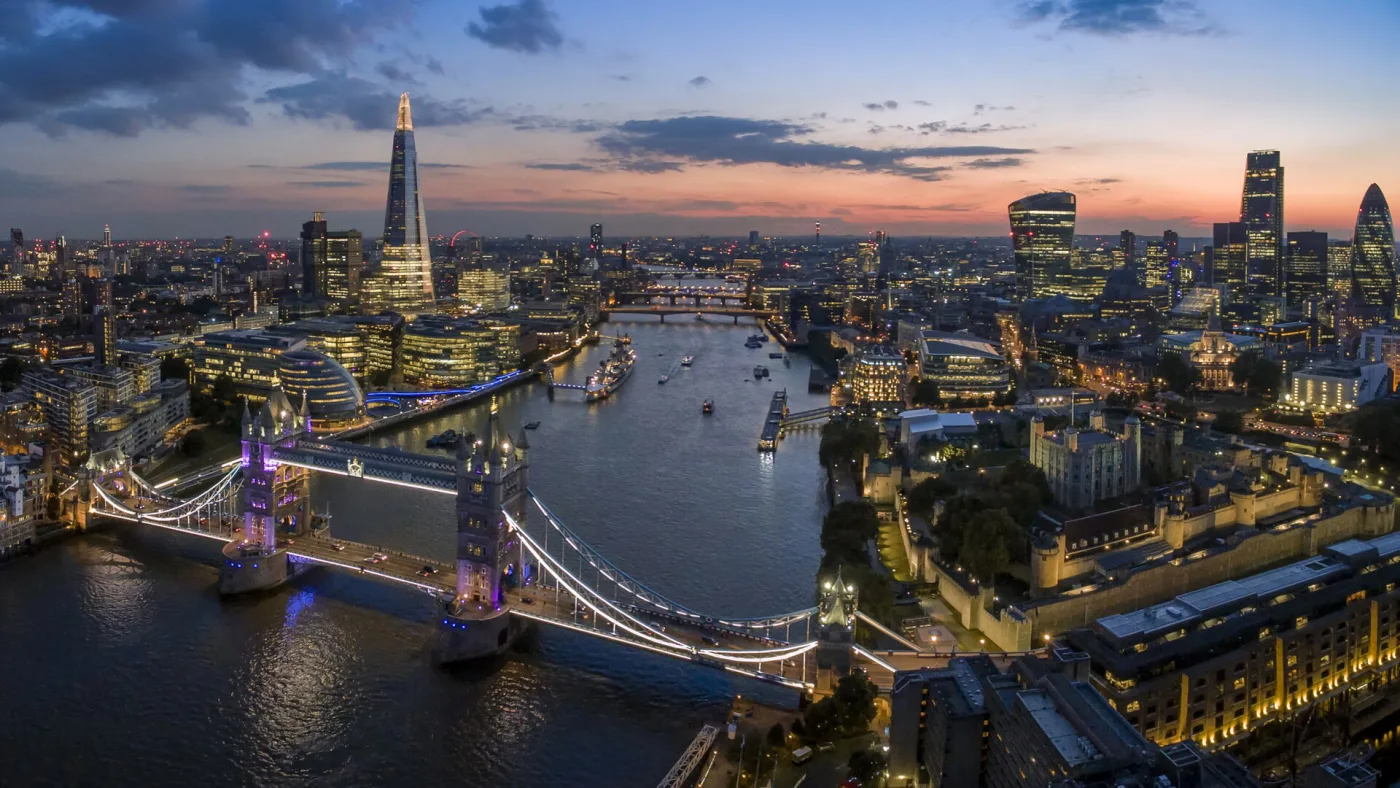
Londinium, York and a network of roads tied Britain into the wider empire.
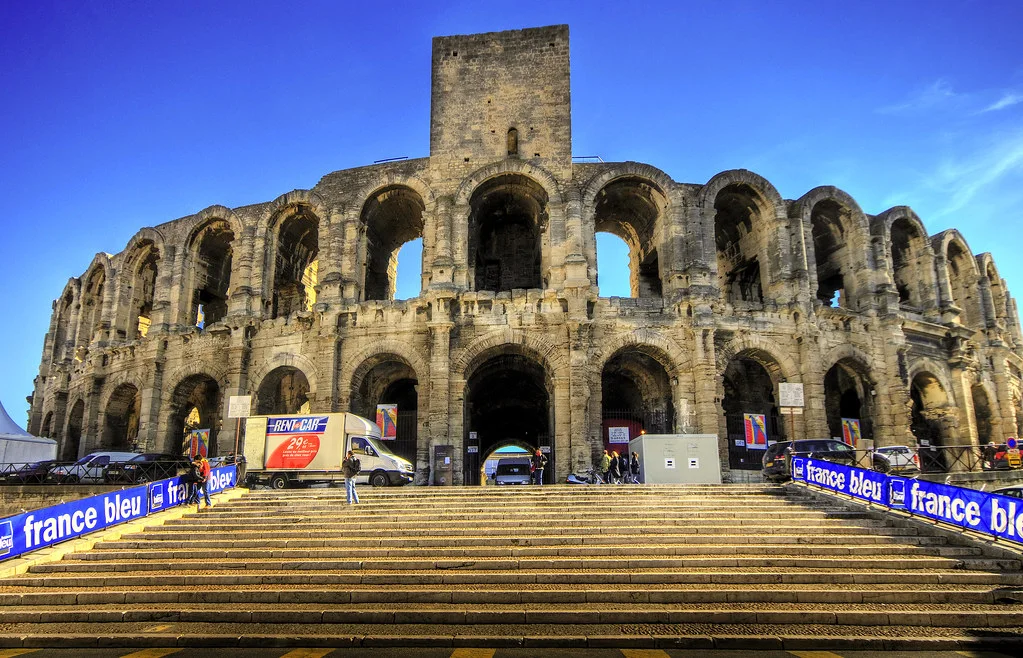
After imperial toleration in 313, British bishops joined the councils of the wider church.

c. 410 - 1066
Competing kingdoms slowly gave way to a more unified England under pressure from Viking settlement and war.
After Rome, Brittonic and Anglo-Saxon rulers competed across a fragmented island. Christianity spread through missions and royal conversion. Viking raids grew into settlement and conquest, prompting Alfred the Great and his successors to reorganise defence and extend West Saxon power until a unified kingdom of England emerged.

Wessex, Mercia, Northumbria and the Brittonic kingdoms fought for supremacy.
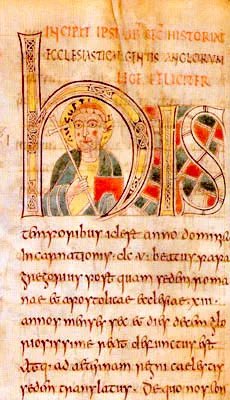
Augustine’s mission and Irish monks from Iona brought Christianity to the English.

Raids from 793 grew into conquest and settlement across the Danelaw.

Alfred’s heirs reconquered the Danelaw, and Æthelstan’s victory at Brunanburh in 937 secured a united kingdom.
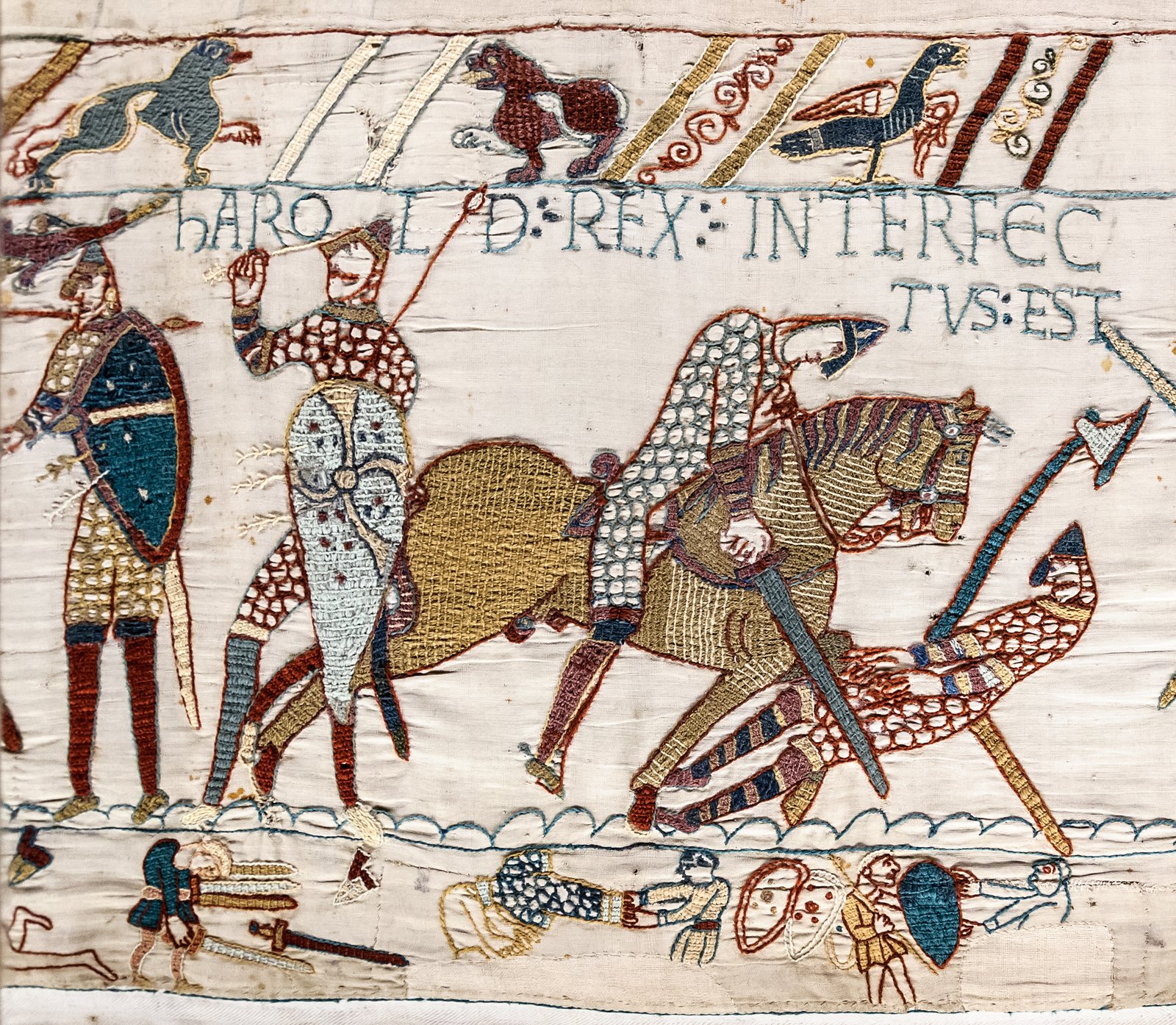
1066 - 1485
Norman rule transformed England, while conflict and crisis gradually reshaped monarchy and Parliament.
The Norman Conquest replaced England’s ruling elite and tied the kingdom more closely to continental Europe. Under the Plantagenets, royal justice and Parliament expanded even as kings faced baronial rebellion and war. Conflict with Wales, Scotland and France, the Black Death and the Wars of the Roses transformed politics and society.
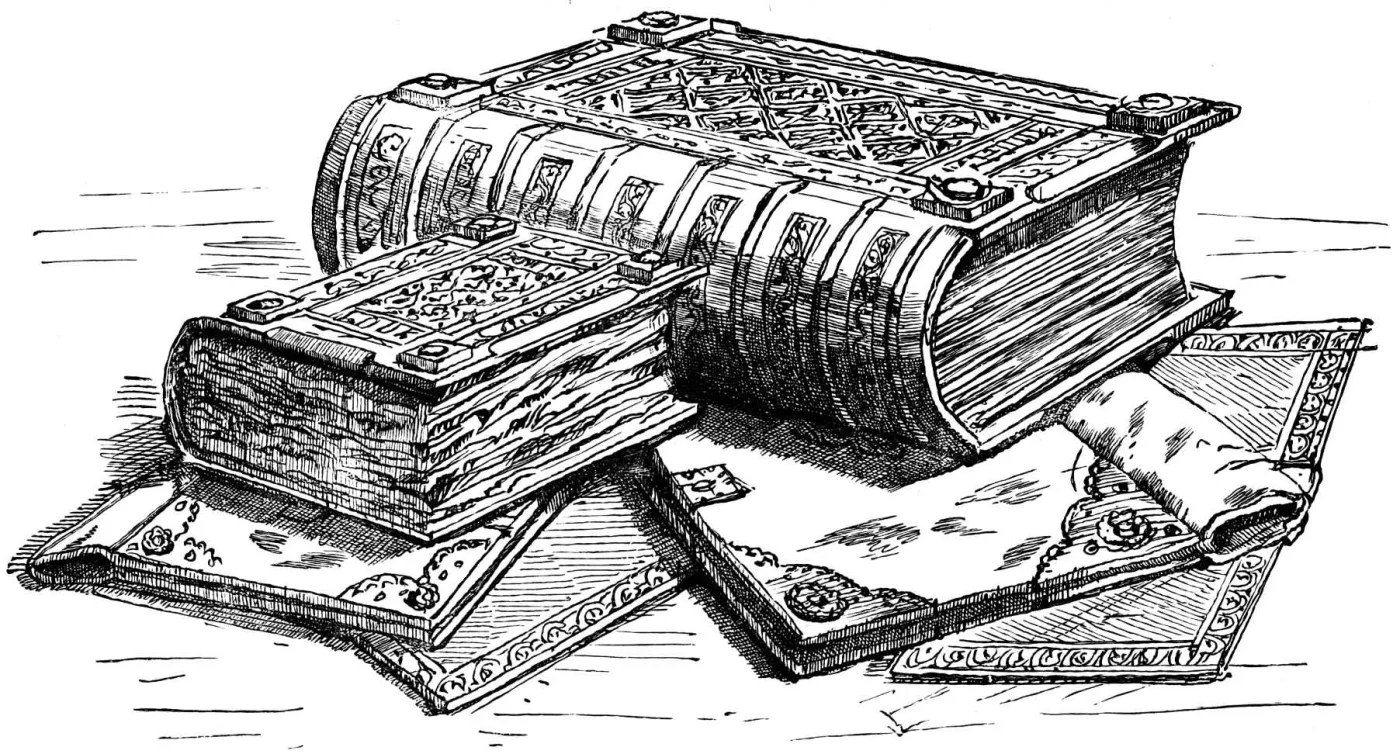
Castles, the Domesday survey and a new French-speaking elite remade England.

Magna Carta and the rise of Parliament placed lasting limits on royal power.
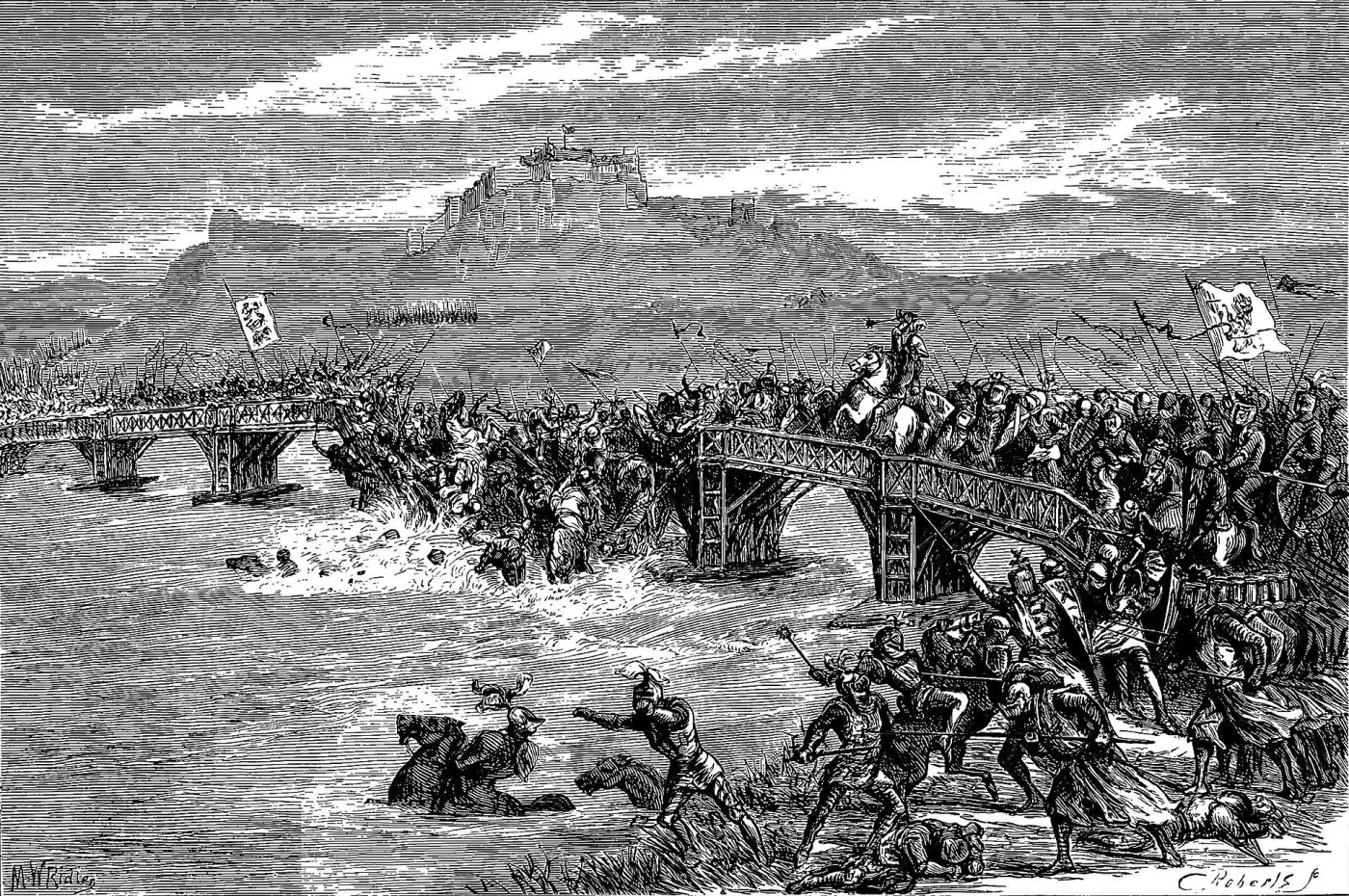
Edward I conquered Wales, while Scotland won its independence at Bannockburn.
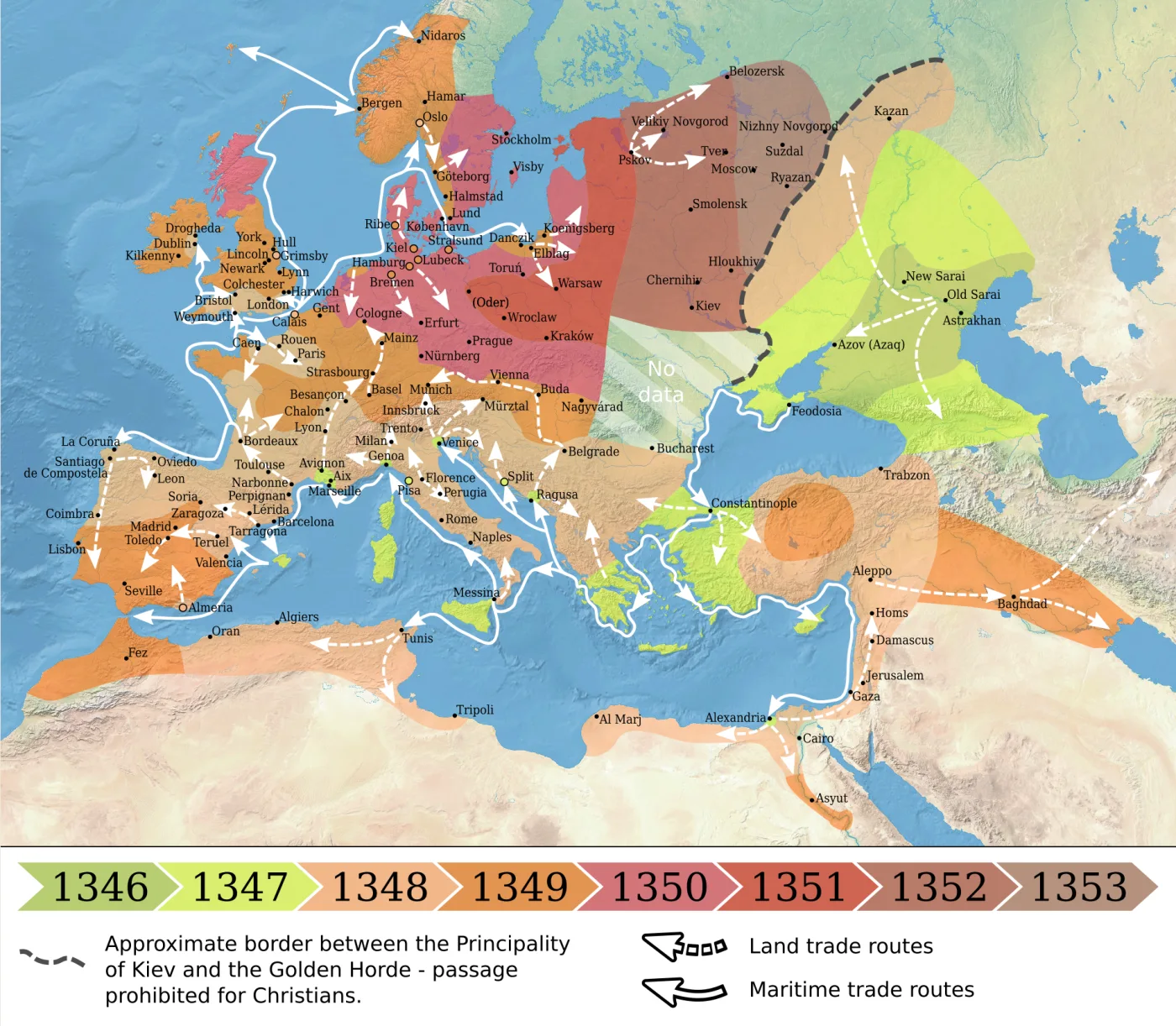
The Black Death killed perhaps half the population and fuelled the Peasants’ Revolt.
1485 - 1603
The Tudors ended the dynastic wars and transformed religion, government and England’s place in the world.
Tudor monarchs strengthened central government and broke England’s church from papal authority. Religious change brought upheaval under Henry VIII, Edward VI, Mary I and Elizabeth I. Printing, commerce, theatre and overseas voyages flourished, while England’s rivalry with Catholic Spain culminated in the Armada campaign.
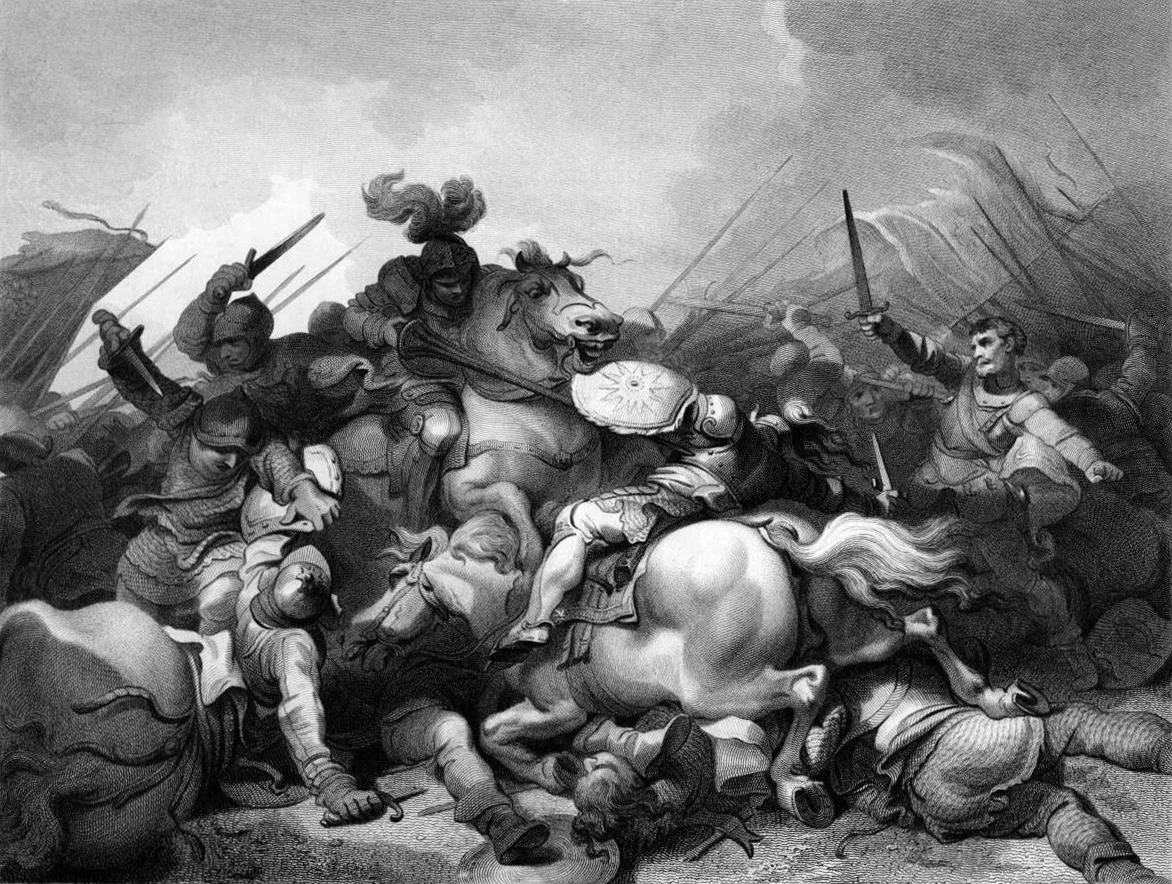
Henry VII won the crown at Bosworth and joined York and Lancaster by marriage.
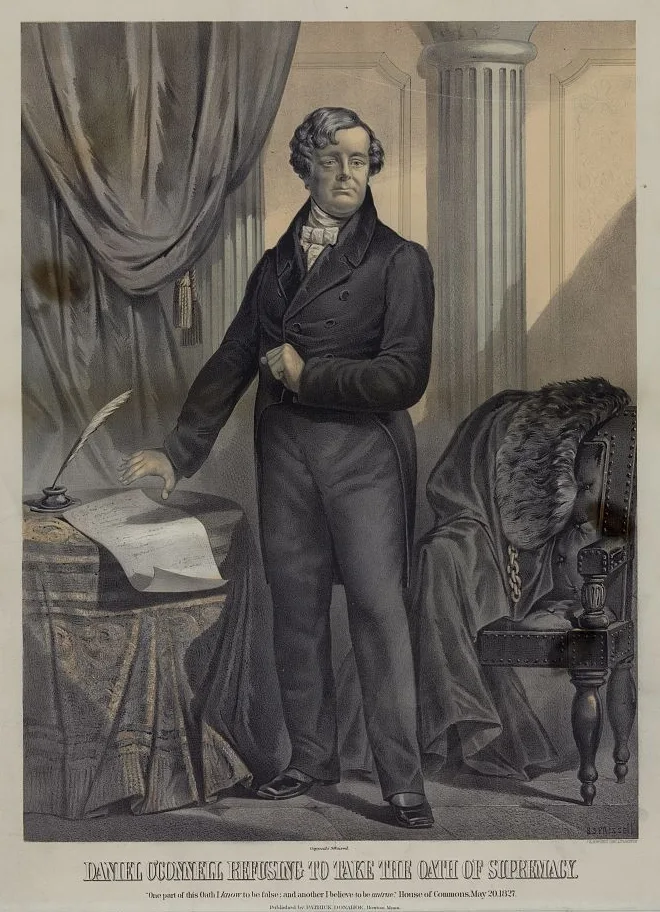
Henry VIII’s Act of Supremacy made the monarch head of the English church.
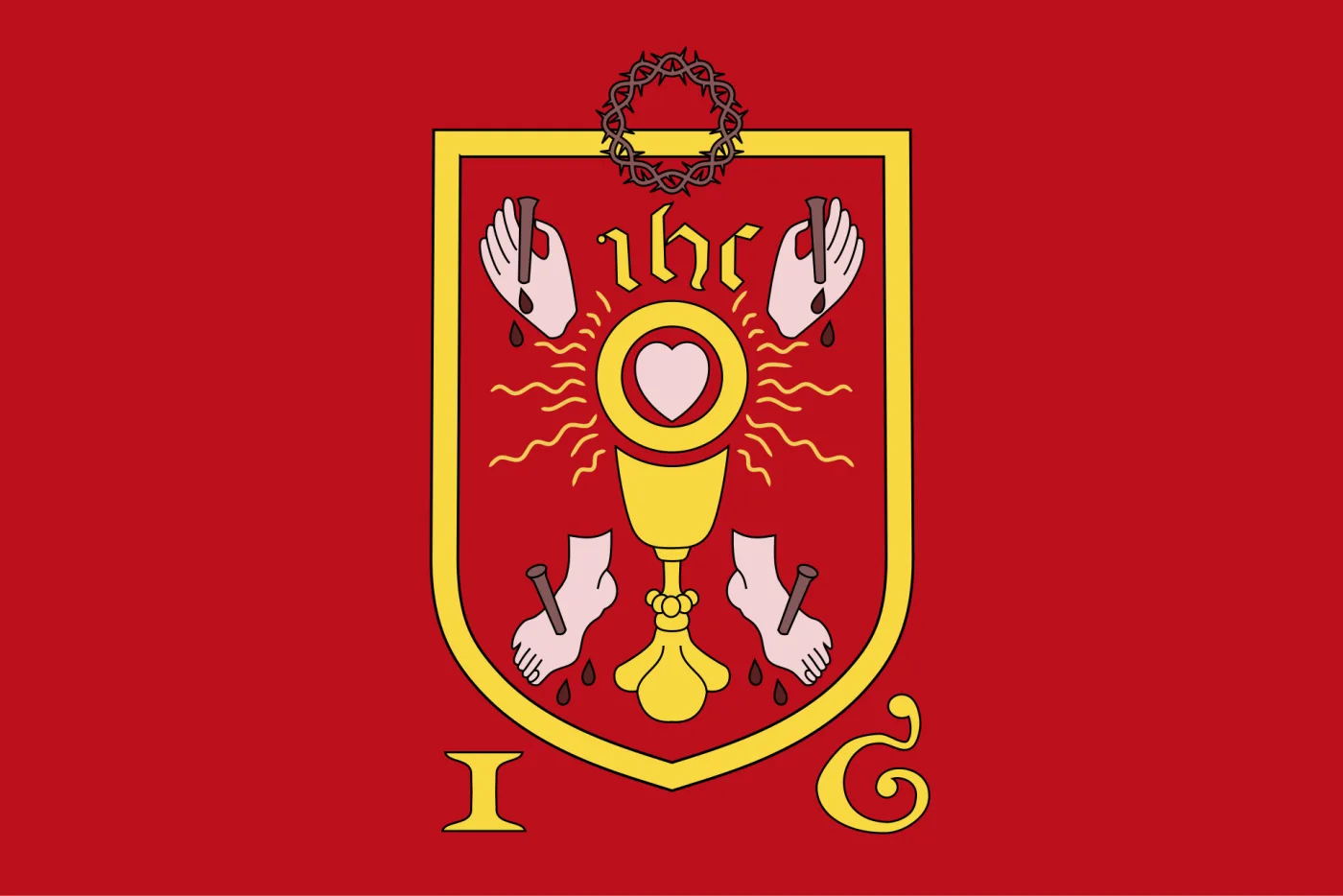
Monasteries were dissolved, the north rose in protest, and Protestants and Catholics were persecuted in turn.
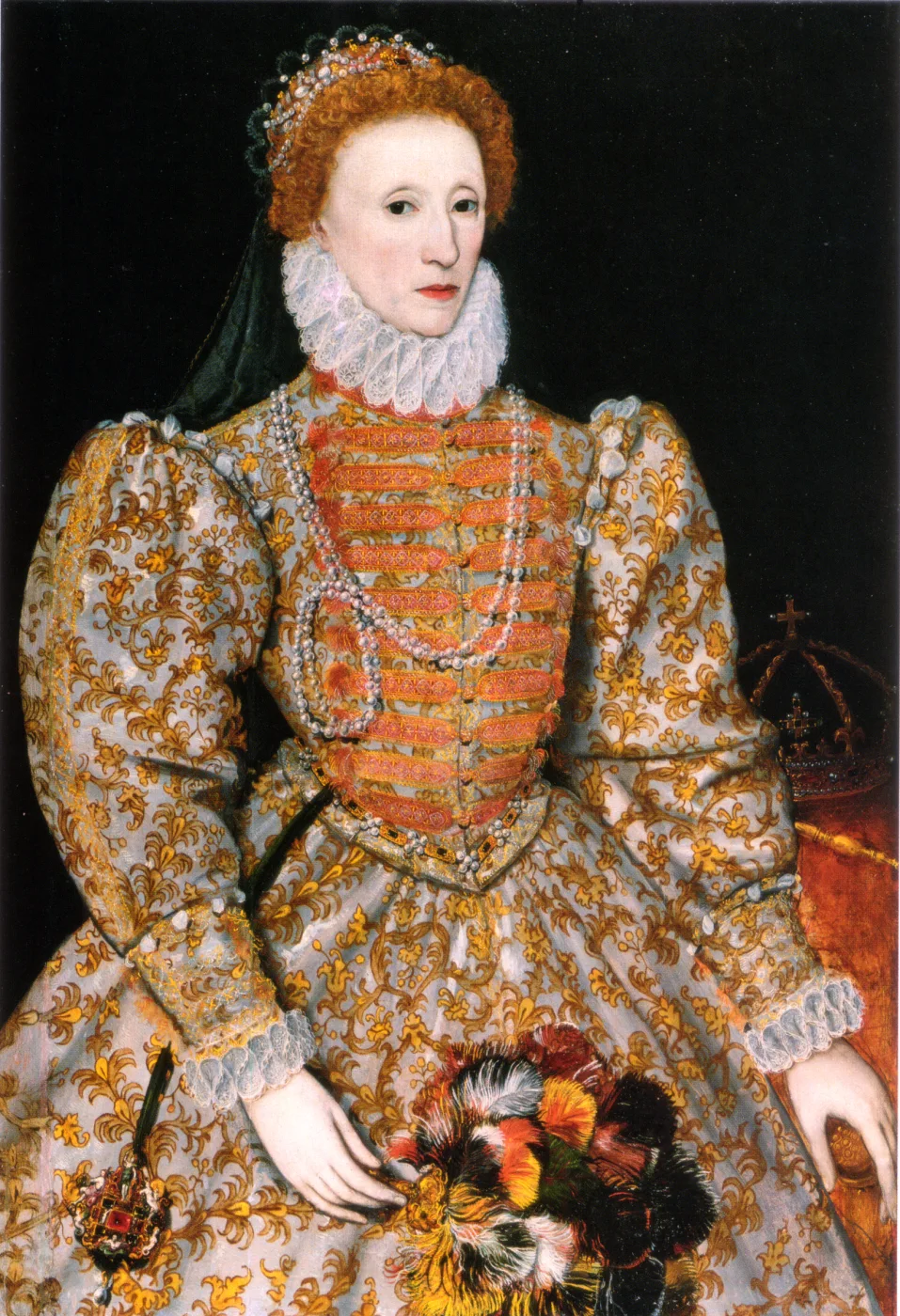
Elizabeth I’s long reign brought a religious settlement, voyages and theatre.

1603 - 1837
Conflict over crown, Parliament and religion ended in revolution and a new constitutional order.
Stuart ambitions collided with Parliament, producing civil wars, the execution of Charles I and a republican interregnum. Monarchy returned in 1660, but the Glorious Revolution secured parliamentary limits on royal power. The 1707 union created Great Britain, while Hanoverian rule saw cabinet government and empire expand.

Crown and Parliament fought across England, Scotland and Ireland from 1642.
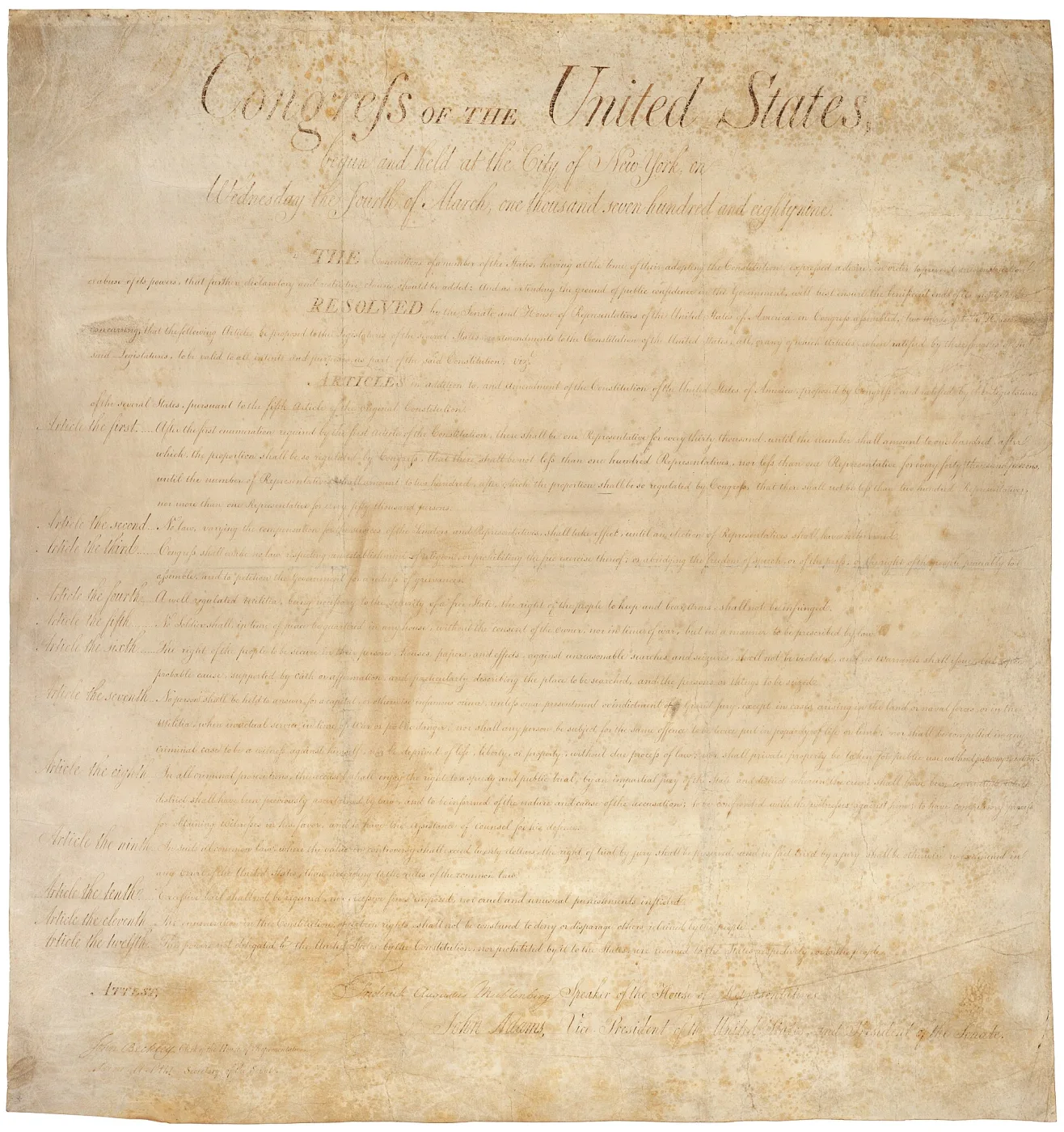
William and Mary took the throne, and the Bill of Rights limited the crown.

Stuart claimants rose in 1715 and 1745 until defeat at Culloden ended their cause.

Victory over Napoleon at Trafalgar and Waterloo left Britain the leading world power.

1837 - 1901
Industrial power and imperial reach grew alongside rapid social change and demands for political reform.
Britain became the world’s leading industrial and commercial power, linked by railways, steamships and telegraph cables. Cities expanded at extraordinary speed, bringing wealth as well as poverty and dangerous working conditions. Reform movements widened political participation, while imperial expansion imposed British power across much of the globe.

Railways, factories and the first underground railway transformed daily life.

Chartists and successive Reform Acts pushed the franchise steadily wider.

British rule spread across India, Africa and beyond; Victoria became Empress of India.

The Irish famine and crowded industrial cities exposed the human cost of change.
1901 - Present
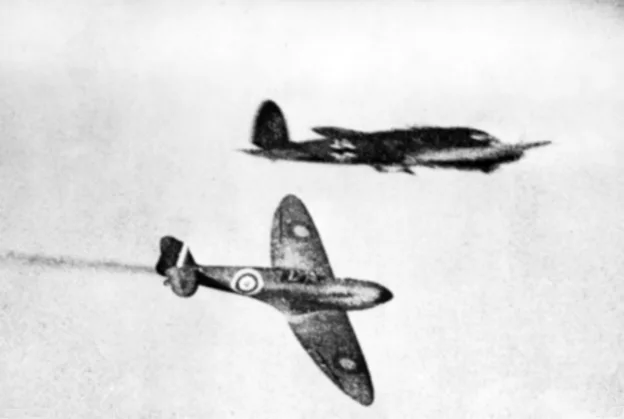
Two world wars and the end of empire remade Britain into a diverse modern democracy and welfare state.
The world wars mobilised society on an unprecedented scale and accelerated political and social change. Britain built a welfare state after 1945 while its empire gave way to independent nations and a new Commonwealth. Immigration reshaped British culture, devolution changed the union, and the 2016 referendum led to withdrawal from the European Union.

Britain mobilised millions for the First World War, with huge losses on the Somme.

Suffragettes campaigned for the vote until equal voting rights finally arrived in 1928.

The postwar Labour government founded the NHS and a cradle-to-grave welfare system.
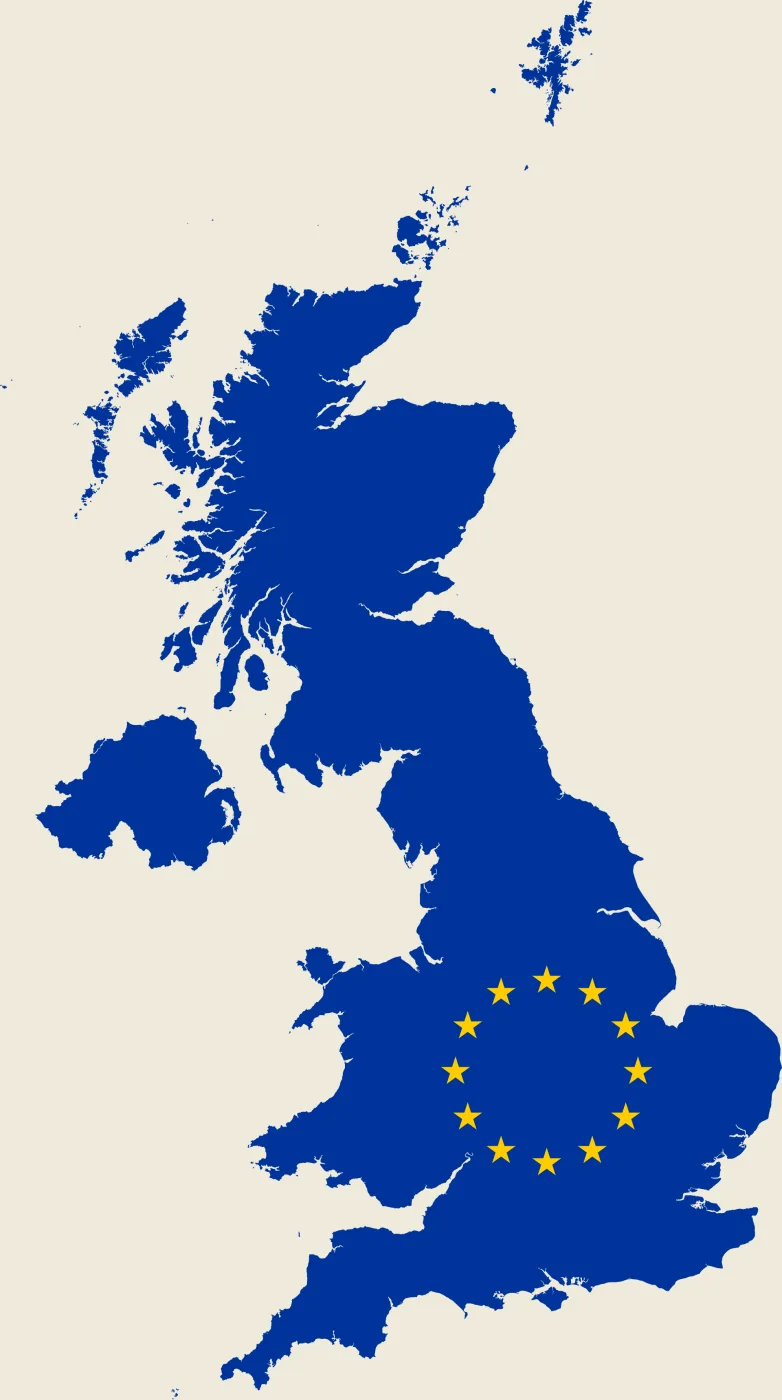
Decolonisation, immigration, devolution and Brexit reshaped modern Britain.
From Roman Britannia to the United Kingdom, 43 – 2024
From a Roman frontier province to an empire covering a quarter of the world’s land, and back to four nations and fourteen Overseas Territories. See how the realm grew, united, expanded overseas and let go.
Borders are approximate snapshots of claims, not a record of effective control. Protectorates, princely states and Company territories were not all British sovereign territory, and medieval French possessions were often fiefs held of the French crown. The area counter adds up the mapped home realm, colonial claims and Dominions; it is indicative, not an authoritative empire total.
Known source limitations: England’s outline includes Scotland before the 1707 Union; Canada and New Zealand remain grouped with the colonial empire beyond Dominion status; some East African borders lag independence. Overseas Territory markers reflect the historical dataset, not a current sovereignty assessment.
Britain’s legacy is layered and contested: constitutional ideas, industry, language and culture travelled widely, while conquest and empire produced exploitation, resistance and consequences that remain visible today.
Magna Carta, the Civil Wars, the Bill of Rights and successive Reform Acts helped establish government constrained by law, parliamentary authority and a widening electorate. These changes were gradual, disputed and never linear.
Royal courts, precedent, jury trials and parliamentary statute created a legal tradition that evolved across centuries. English common law later influenced legal systems throughout the Commonwealth and beyond.
Old English, Norse, Norman French and many migrant languages shaped modern English. Writers from Chaucer and Shakespeare to Austen and contemporary voices gave British literature an enduring international reach.
Steam power, mechanised production, railways and scientific institutions made Britain an early centre of industrialisation. The resulting prosperity came with harsh labour, urban crowding and environmental damage.
The British Empire connected territories through trade, migration and administration, but rested on conquest, slavery, extraction and racial hierarchy. Decolonisation created independent states while leaving complex political, economic and cultural legacies.
England, Scotland, Wales and Northern Ireland share institutions but retain distinct histories and identities. Union, partition, devolution and independence movements continue to shape how the United Kingdom understands itself.
Mass education, local government, social insurance and the post-war welfare state expanded public responsibility for health and security. The NHS became one of modern Britain’s most recognised institutions.
Britain has always been shaped by movement—from prehistoric settlers and Roman soldiers to Huguenot, Irish, Caribbean, South Asian, African and European communities. Their experiences are central to British culture and identity.